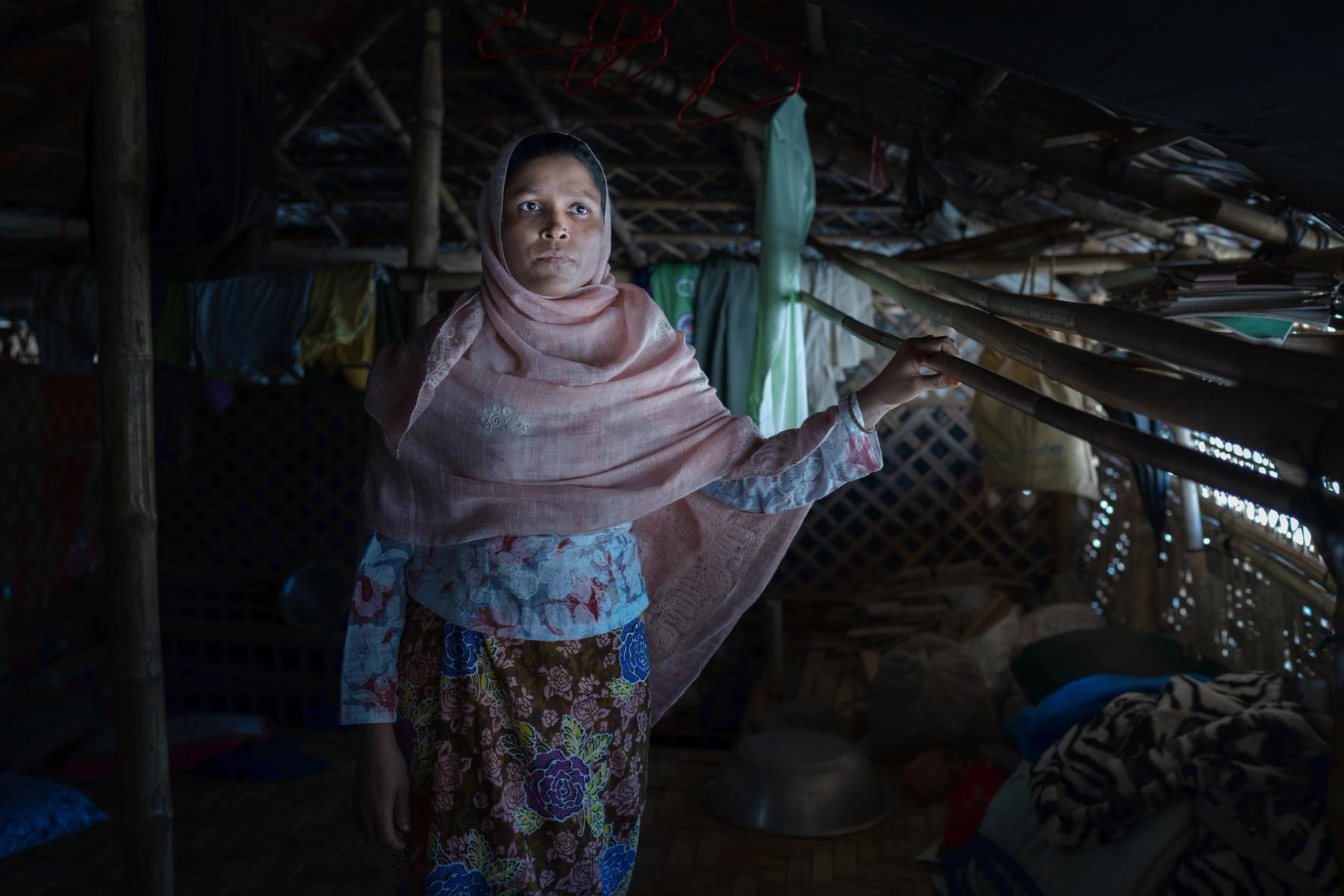
Bangladesh: Romida and her family fled to Cox's Bazar in Bangladesh seven years ago after experiencing violence in their country. She fears going to some areas of the refugee camp as there is limited lighting and it is not safe, especially for women. Photo: Fabeha Monir/Oxfam Oxfam acknowledges the support of the Australian Government through the Australian Humanitarian Partnership (AHP).
Donate today to help women like Romida
Will you donate today to help provide women like Romida and their families with safe access to the clean water they urgently need?
Donate today
Your information is in safe hands with us. All transactions are 100% SSL secure and encrypted, and we never store your credit card information.
Having problems donating?
- Call us at 1800 088 110
- Email us at enquire@oxfam.org.au
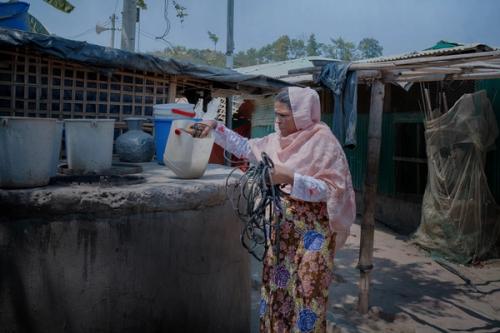
Bangladesh: Romida collects water from the well in the refugee camp where she lives. Romida and her family fled to Cox's Bazar in Bangladesh seven years ago after experiencing violence in their country. She fears going to some areas of the refugee camp as there is limited lighting and it is not safe, especially for women. Photo: Fabeha Monir/Oxfam. Oxfam acknowledges the support of the Australian Government through the Australian Humanitarian Partnership (AHP).
Every day, Romida is denied safe access to the clean water she needs — and she fears the growing risk of violence
Since beginning in 2017, the Rohingya refugee crisis is continuing to worsen.
Romida and her family have been struggling to meet their basic needs since arriving at Cox’s Bazar refugee camp. A lack of safe access to clean water is accelerating the spread of disease and forcing Romida to make impossible choices to care for her family.
By donating today, you can help provide women like Romida with safe access to the clean water they urgently need for life, health, dignity and a more secure future.
With the security situation deteriorating inside the camp, Romida said they are also at growing risk of sexual and physical violence when they go to use toilets, bathrooms and water sources, especially after dark.
"There is no light in the toilet and women cannot go there… There are bad men out there who can harm women in that darkness so I fear for that." - Romida, Rohingya refugee and mother of four
No one should face these risks just to access clean water. But you can make a difference.
Your gift could help establish live-saving water wells, pumps and sanitation facilities. It could also help distribute hygiene kits, provide training on water management and install lights around bathrooms and water sources to keep people safe from violence.
Will you help?
Voices from the crisis
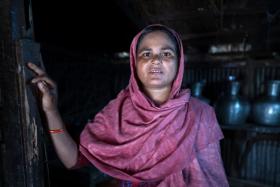
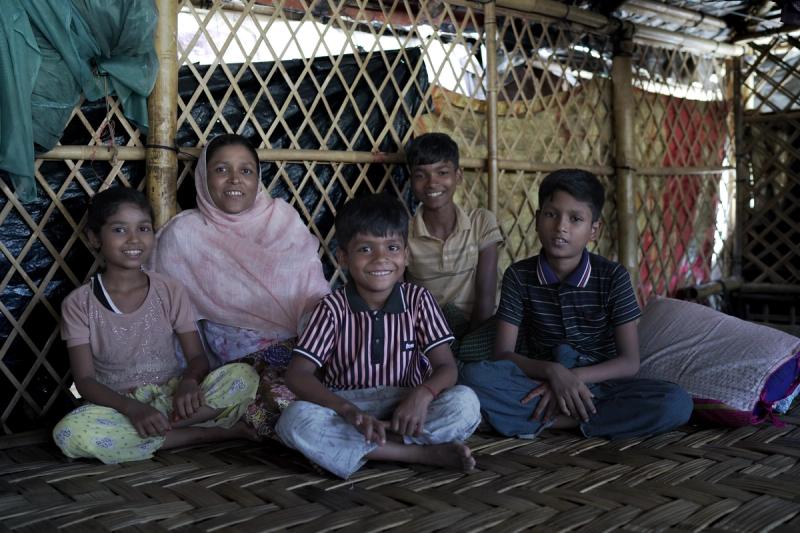
Bangladesh: Romida and her family fled to Cox's Bazar in Bangladesh seven years ago after experiencing violence in their country. She fears going to some areas of the refugee camp as there is limited lighting and it is not safe, especially for women. Photo: Fabeha Monir/Oxfam Oxfam acknowledges the support of the Australian Government through the Australian Humanitarian Partnership (AHP).
Bangladesh: Romida and her family fled to Cox's Bazar in Bangladesh seven years ago after experiencing violence in their country. She fears going to some areas of the refugee camp as there is limited lighting and it is not safe, especially for women. Photo: Fabeha Monir/Oxfam Oxfam acknowledges the support of the Australian Government through the Australian Humanitarian Partnership (AHP).
How your donation can help
Oxfam has been working with local partner organisations since this crisis began. A gift from you can help us continue to support Rohingya communities by providing them with safe access to clean water and sanitation. So far, we have helped more than 250,000 people.
But there are so many more who need your help. Your gift could help provide women living in Cox’s Bazar with:
Hygiene kits
$75 can provide hygiene kits to keep families safe and healthy.
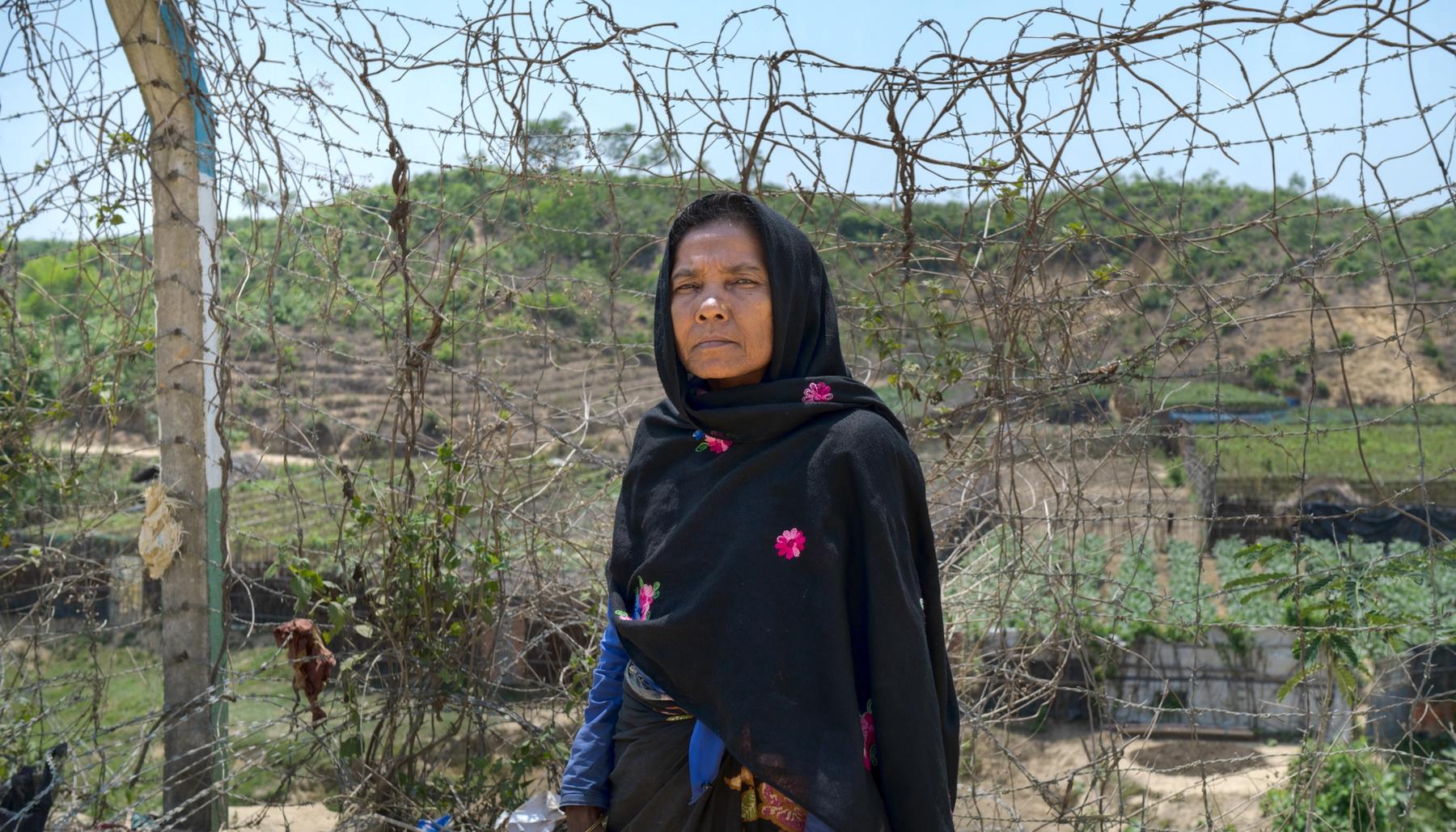
Bangladesh: Nur Aysha lives in the Cox's Bazar Rohingya refugee camp with her family, after arriving in Bangladesh in 2017. Living here, she finds it hard to keep up hopes for a better future. Photo: Fabeha Monir/Oxfam Oxfam acknowledges the support of the Australian Government through the Australian Humanitarian Partnership (AHP).
Women are paying the price
Women in Cox’s Bazar are living with contaminated water and the threat of violence. Your generous gift can provide safe access to the clean water that women like Nur urgently need for life, health, dignity and a more secure future.
Frequently asked questions
The Rohingya are a Muslim ethnic minority group from Myanmar, where they have faced decades of persecution and have been denied citizenship. Since the late 1970s, hundreds of thousands of Rohingya have fled their homes, crossing the border to Bangladesh or travelling by sea to Indonesia, Malaysia, and Thailand. There are an estimated 3.5 million Rohingya globally.
In 2017, the Myanmar military and other armed groups launched a campaign of violence against the Rohingya people. Around 750,000 Rohingya fled their homes and took refuge in Bangladesh. Since 2021, civil war has raged in Myanmar, recently re-igniting attacks against the Rohingya.
There are 300,000 Rohingya who have lived in Bangladesh for decades. Since 2017, they have been joined by over 700,000 more, pushing the population to around one million refugees in Bangladesh. Refugees are crowded into 33 camps that cover only 24 square kilometres, making it one of the most densely populated refugee camps in the world. Thousands more have recently crossed the border, escaping the same atrocities that drove them out in 2017. Only 600,000 Rohingya remain in Rakhine State in Myanmar, many of whom live in camps and are subject to systematic human rights abuses. The remaining Rohingya live as refugees in Indonesia, Malaysia, Thailand, India, Pakistan, Saudi Arabia, the United Arab Emirates, and Australia.
Rohingya live in flimsy shelters made of bamboo and tarpaulin, built on hilly, landslide-prone floodplains. Offering little protection, these shelters become flooded during monsoon rains and are damaged or destroyed by strong winds and cyclones. Barbed-wire fences, constructed by the Bangladesh government, enclose the camps, preventing Rohingya from escaping hazards like fires that frequently sweep through the camps. With open drains and contaminated water, the risk of water-borne diseases is high, as are other communicable diseases. Security in the camps has drastically deteriorated, with several armed groups contributing to a culture of fear. Refugees also report kidnapping, human trafficking, extortion, and other forms of violence.
Women and children make up three-quarters of the camp population. They bear the brunt of living in dangerous, intolerable conditions: fearful for themselves and their children, and traumatised by what they see happening to their families and homes back in Myanmar. Lack of lighting around communal latrines has made women and girls more vulnerable to sexual harassment and abuse. Limited livelihood opportunities and no formal schooling have led to protection risks such as child labour and child marriage.
Ongoing civil war and the increase in violent attacks against the Rohingya in Myanmar mean that Rohingya refugees cannot return home anytime soon. Indeed, Deakin University academics Ware and Laoutides (2024) argue that voluntary, safe, and sustainable repatriation of the majority of Rohingya refugees in the next decade would be impossible.
With global crises such as the COVID-19 pandemic and conflicts in the Middle East and Ukraine dominating headlines, attention on the Rohingya refugee crisis in Bangladesh has faded. As of the end of September 2024, the annual Joint Response Plan for Rohingya refugees and vulnerable host communities was only 53 percent funded. Reliant on aid for survival, Rohingya refugees acutely feel the impact of such a significant shortfall. World Food Program food cuts have led to higher malnutrition rates, especially among children. In the face of so many global crises, the harrowing experiences of Rohingya refugees are too often overlooked and forgotten.
Where your money goes

For every $1 we spend,
67c goes to life changing work
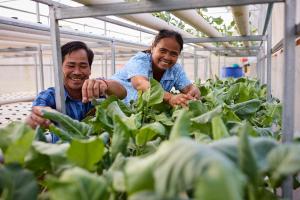
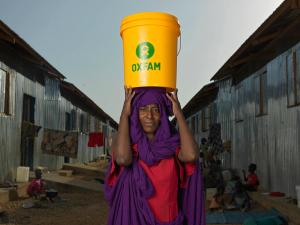
Your donation will help people and communities survive today, prepare for tomorrow and change their future for the better.

20c is invested to raise the next $1
13c goes towards vital support costs
Stay up to date with our news, programs and appeals.
We work to deliver humanitarian aid, long-term development projects, and to advocate for a world where everyone is equal, free from poverty and injustice.
Oxfam acknowledges the support of the Australian Government through the Australian Humanitarian Partnership (AHP).